

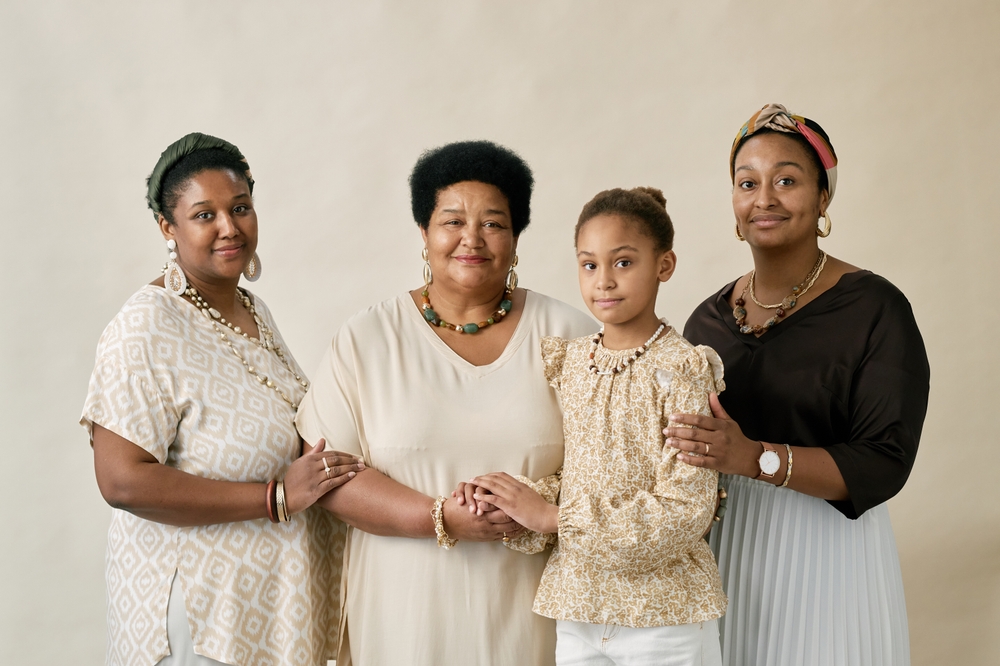
Black Women: Lead, Rest, Rise
Dear Sisters:
Black History Month is more than remembrance—it is recognition of a global legacy of brilliance, resistance, creativity, and courage. Across continents and generations, Black people have shaped culture, advanced science, transformed economies, and expanded the very meaning of democracy. Here in the United States, Black history is inseparable from the nation’s story: from building its wealth, to challenging its contradictions, to pushing it—again and again—closer to its stated ideals of freedom and justice.

At the heart of that history are Black women. Often erased, frequently undervalued, yet absolutely indispensable. Black women were the leaders, strategists, organizers, truth-tellers, and sustainers of the Civil Rights Movement. They registered voters, built mutual aid networks, mentored young leaders, and held movements together when the spotlight moved elsewhere. Their leadership was not loud for recognition—it was rooted in responsibility, vision, and love for community.
That legacy did not end in the 1960s. It lives on in Black women today.

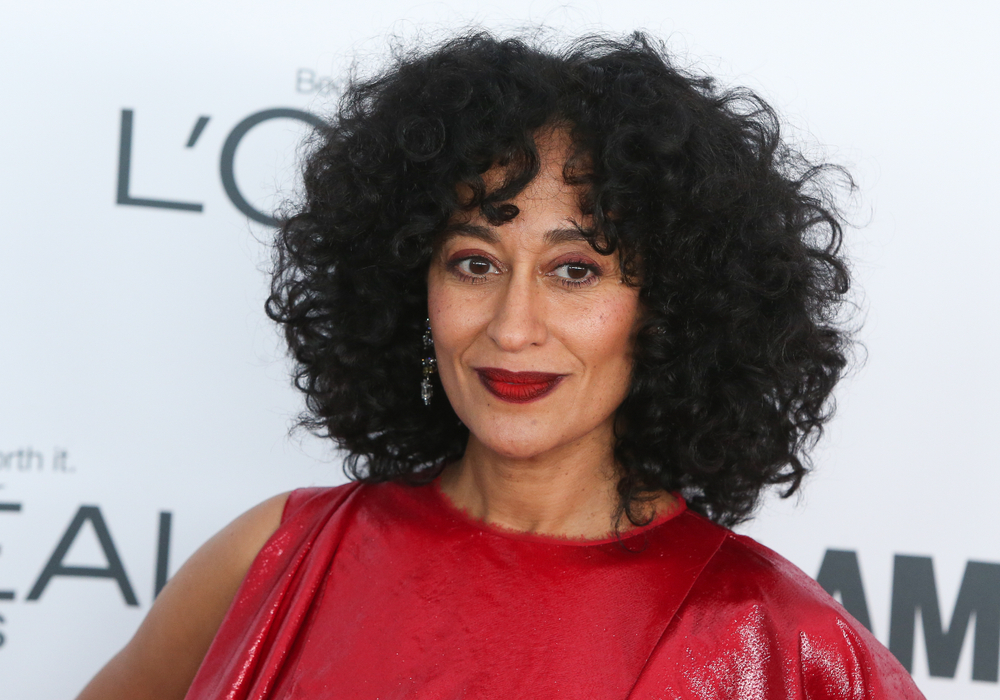
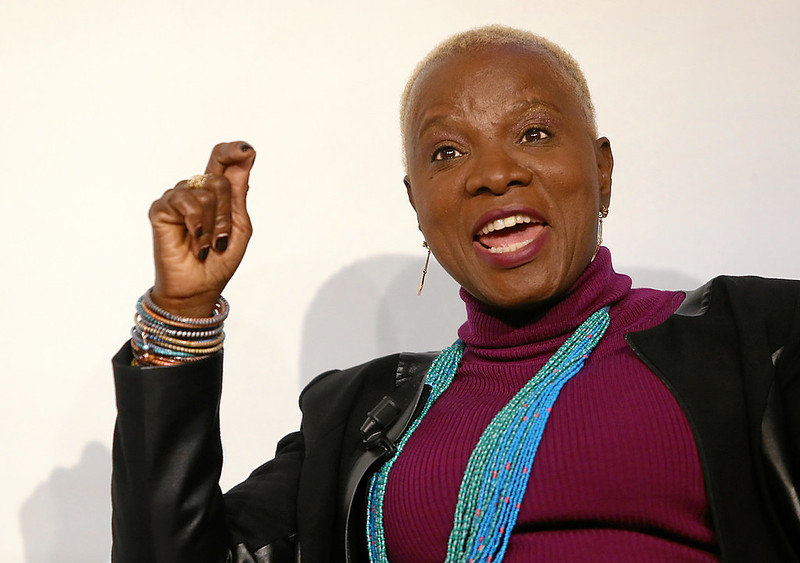
L-R: Poet Laureate Amanda Gorman, Actor/Producer Traci Ellis Ross, and Musician/Activist Angelique Kidjo
In boardrooms and classrooms, in city halls and living rooms, in protests and policy spaces, Black women continue to lead. We organize, vote, care, create, advocate, and imagine futures that are better than the present we inherited. Even when we are tired. Even when the odds feel stacked. Even when our leadership is taken for granted.
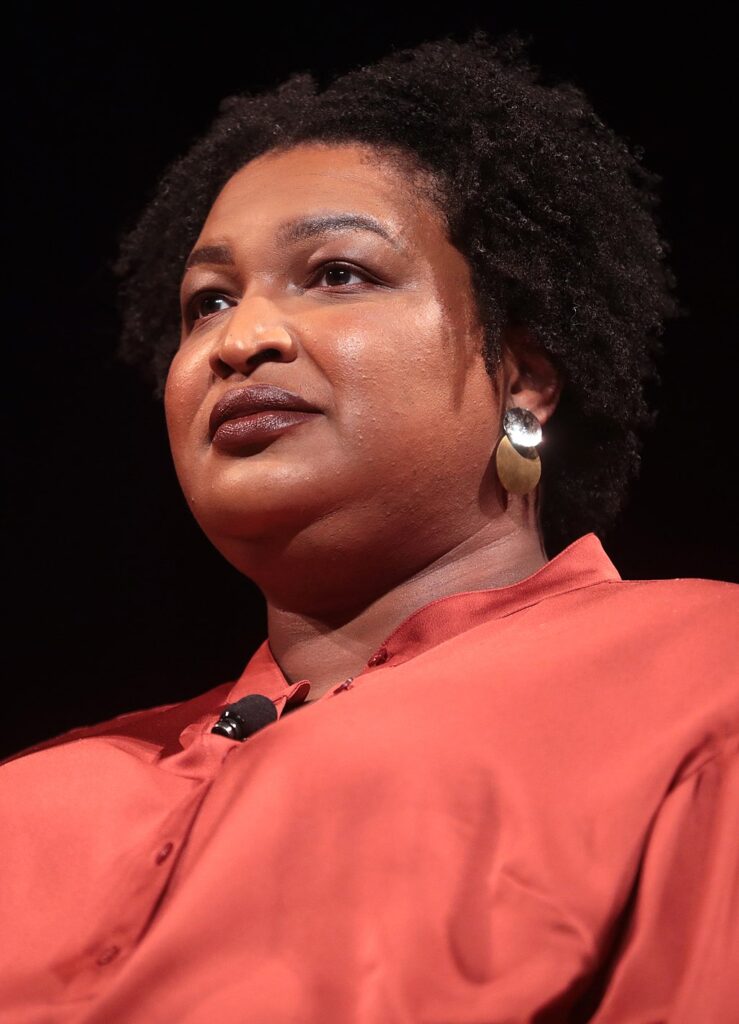
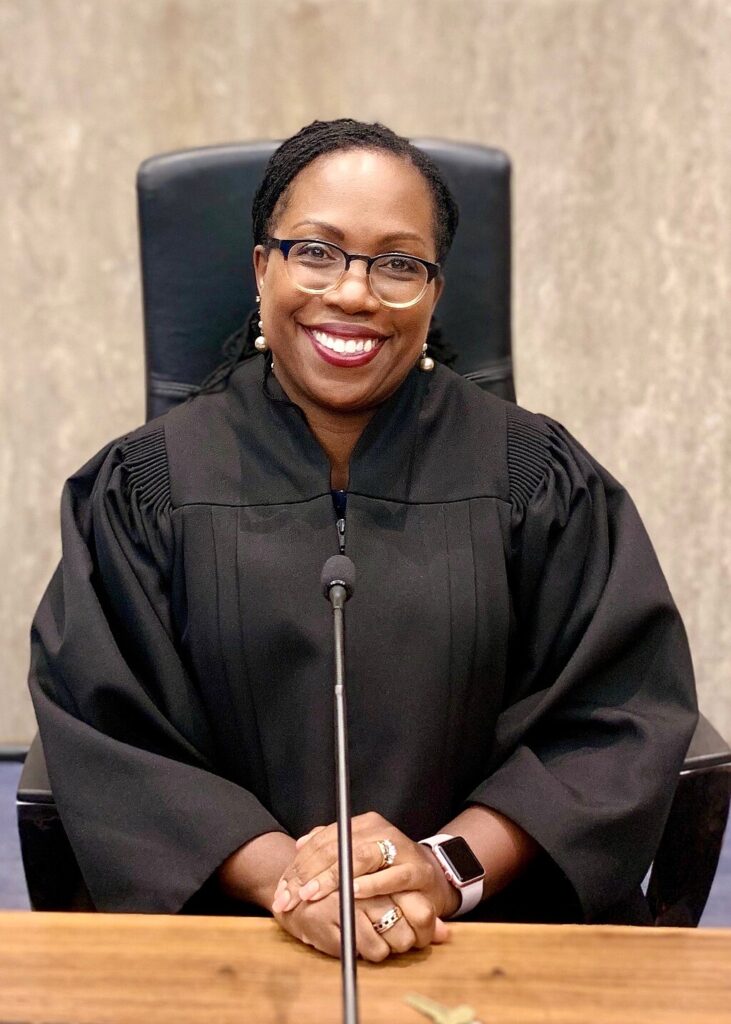
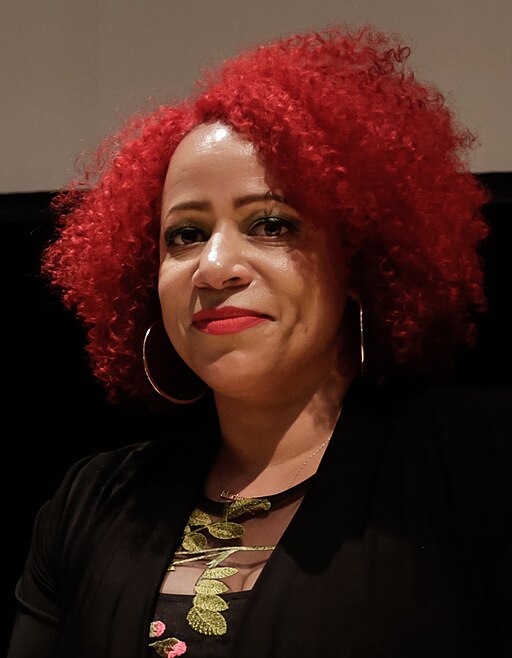
L-R: Civic Strategist Stacey Abrams, U.S. Supreme Court Justice Ketanji Brown Jackson, Journalist Nikole Hannah-Jones
This Black History Month, I encourage you not just to honor the past, but to reflect on your own leadership. How are you showing up in the fight for freedom and justice right now? Where is your voice needed? What wisdom do you carry forward from those who came before you?
And just as importantly: how are you caring for yourself?

Rest is not retreat. Joy is not a distraction. Radical self-care is part of the work. Taking time to breathe, to heal, to be whole is how we sustain ourselves to pursue the long arc of justice.
Our history reminds us: Black women lead best when we are grounded, nourished, and unapologetically committed—to our people, our purpose, and ourselves.
In solidarity,
Dr. Stephanie, WE CAN Founder